

A leadership crisis at Nvidia can affect Bitcoin even though the two businesses have little in common. As allegations forced Jensen Huang’s exit, Nvidia shares plunged and crypto markets weakened. What happened, why did investors react, and what does this reveal about the risks that connect AI stocks and crypto?
Why is Jensen Huang in the News?
Jensen Huang, the 63-year-old co-founder who led Nvidia for 33 years, resigned as CEO on November 12, 2026, following reports of extramarital relationships, including one involving a woman suspected of Chinese intelligence links.
Nvidia appointed CFO Colette Kress as interim CEO while an independent investigation continued.
Timeline: How the Jensen Huang Scandal Unfolded
| Date | What happened | Market reaction |
| Oct. 29 | Reports revealed Huang’s alleged relationship with a businesswoman suspected of Chinese intelligence links. | Nvidia (NVDA) closed at $213.66. |
| Nov. 5 | Three US congressional committee chairs had requested a briefing from Huang about national security concerns. | NVDA fell 9.26%, closing at $181.60. |
| Nov. 8 | Huang publicly apologized for an extramarital affair. Nvidia announced an independent investigation into a reported foreign intelligence effort. | US stock markets were closed on Sunday. |
| Nov. 9 | The first trading session following Nvidia’s investigation announcement. | NVDA fell 4.27% to $178.67. |
| Nov. 10 | Nvidia appointed independent legal investigators led by former federal prosecutor Joon H. Kim. | NVDA fell 5.47% to $168.89. |
| Nov. 11 | New reports alleged another relationship involving an Nvidia executive. Reports indicated the board was considering Huang’s removal. | NVDA rebounded 2.87% to $173.73. Bitcoin remained near $74,000. |
| Nov. 12 | Nvidia announced Huang’s resignation. CFO Colette Kress became interim CEO. | NVDA touched $148.80 intraday before recovering to close at $166.19, down 4.34%. |
| Nov. 12 | Technology stocks and crypto markets faced renewed selling pressure. | Bitcoin traded below $73,000, while AI-related tokens weakened and leveraged crypto positions faced liquidations. |
Nvidia’s board said on November 8 that it had no reason to believe company secrets or US national security had been compromised. The allegations involving Chinese intelligence remain unproven. Nvidia’s resignation announcement did not establish the allegations as the reason for Huang’s departure.
How Did the Market React to Jensen Huang’s Exit?
1. Nvidia Lost Nearly 22% in Two Weeks
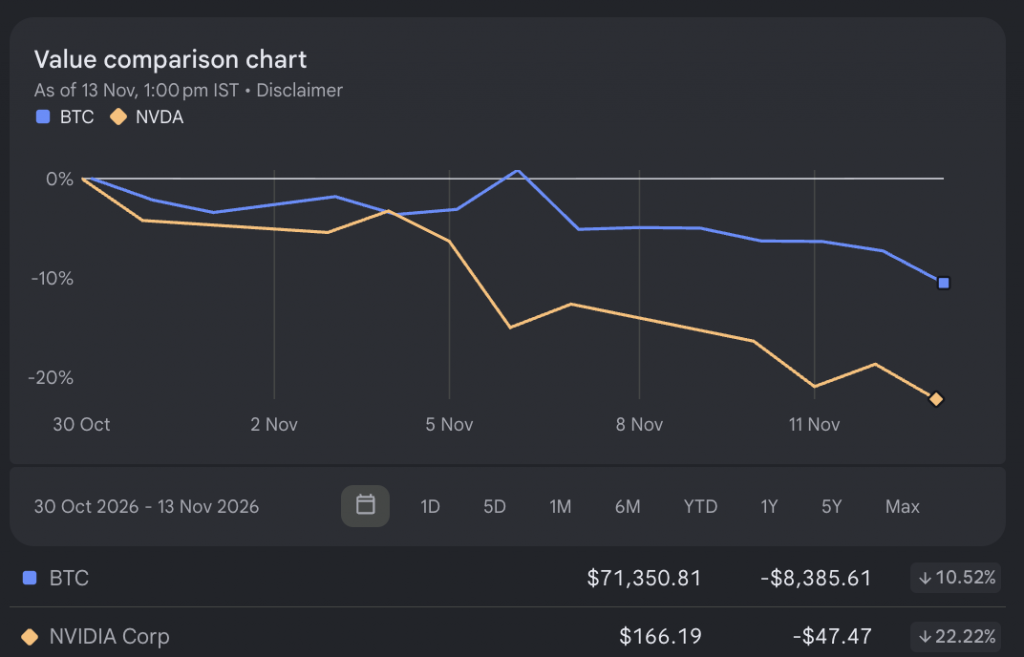
Nvidia shares fell 22.2%, from $213.66 on October 29 to $166.19 on November 12. On the final day, the stock touched $148.80 before recovering sharply. The rebound suggested investors were reassessing the leadership shock rather than abandoning Nvidia’s underlying business. The question was how much its future depended on Jensen Huang.
Cap
2. Bitcoin Fell Alongside Technology Stocks, but There Was More to the Story
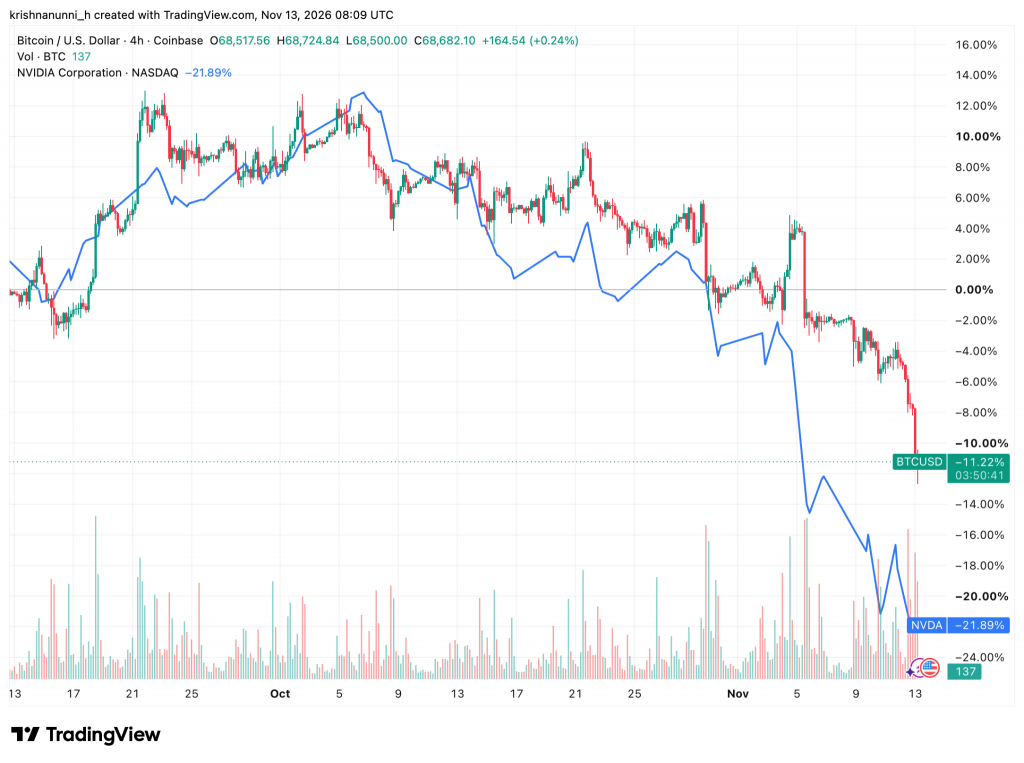
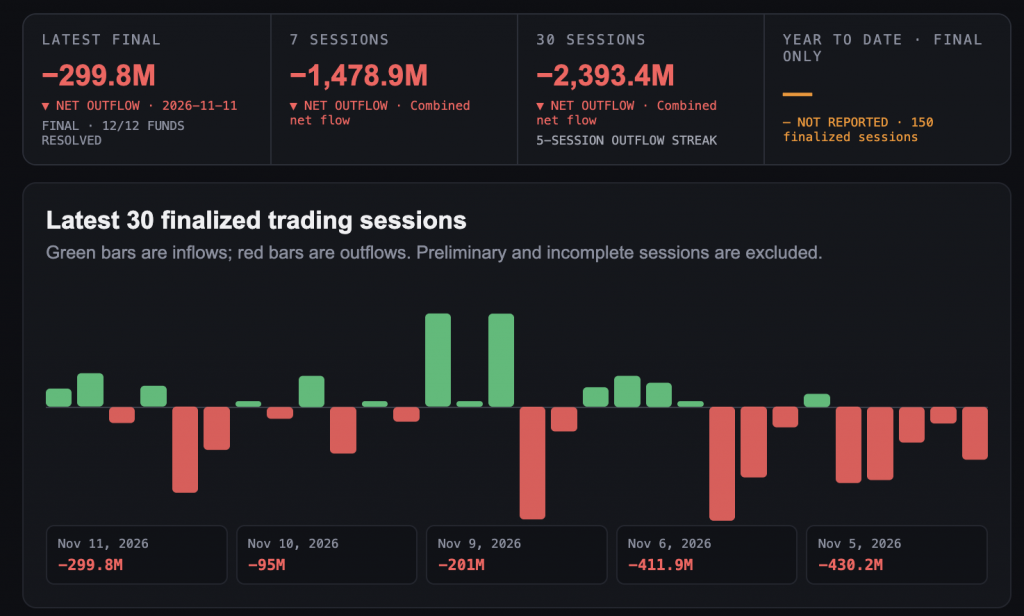
Bitcoin traded near $73,400 on November 12, but weakness had emerged before Huang’s departure. US spot Bitcoin ETFs had recorded $1.44 billion in net outflows over five sessions, including $269.7 million from BlackRock’s IBIT on November 11. Nvidia’s crisis added pressure to a market already facing weak institutional demand.
3. AI Crypto Tokens Faced Additional Selling Pressure
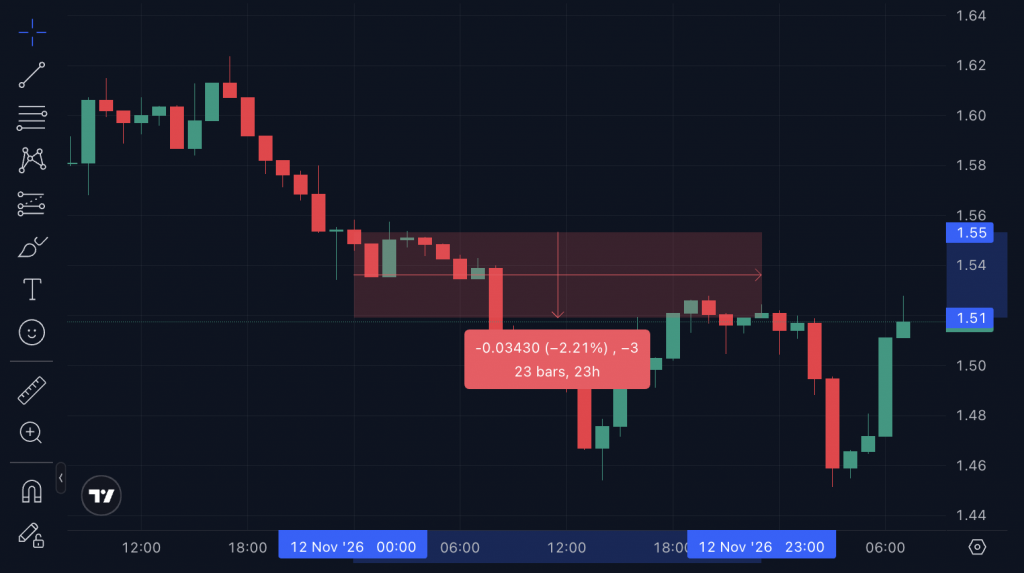
Render (RENDER) fell approximately 3.1% on November 12 as selling spread to AI-related crypto assets. Investors often group Nvidia, Render, and Bittensor under the broader AI investment theme. When confidence weakens, selling can affect the entire category, even when individual projects’ technology, operations, and fundamentals remain unchanged.
4. Leveraged Traders Were Exposed to a Different Kind of Risk
Leverage amplified the market’s reaction. At 10x leverage, a 5% price decline can erase roughly half a trader’s initial margin. CoinDesk reported $263.7 million in crypto liquidations over 24 hours, with later figures rising. Forced closures can add selling pressure, turning market uncertainty into sharper price movements.
What Does the Nvidia Crisis Reveal About Financial Markets?
1. The Market Had Priced Nvidia as Both a Business and a Person
Nvidia fell 4.34% on November 12, although its customers, products, and chip technology remained unchanged. The main change was the departure of Jensen Huang, who had led the company for 33 years. Investors were therefore valuing more than Nvidia’s earnings potential. They were also valuing confidence in its founder.
However, the intraday recovery suggests the market began questioning how much that confidence was actually worth.
2. The Crypto Market Is Less Independent Than It Appears
US spot Bitcoin ETFs recorded $1.44 billion in net outflows over five trading sessions through November 11, 2026. This shows how institutional selling was already weighing on Bitcoin before Huang’s resignation.
Large funds often hold both technology stocks and crypto, so a rise in market uncertainty can trigger selling across both. Bitcoin’s network may be decentralized, but its price remains exposed to the same investors and risk decisions that move Wall Street.
3. Nvidia’s Loss Could Be Someone Else’s Gain
Nvidia shares fell 4.34% on November 12, but the selling did not spread evenly across AI stocks. Associated Press reported gains in AMD and Broadcom, while CoreWeave fell nearly 7%. This suggests investors were separating Nvidia’s leadership problems from the wider AI business. But funds reducing risk across their portfolios could also sell crypto, where leveraged liquidations may add further pressure.
4. This Is a Historic Test of Nvidia’s Ability to Operate Without Its Founder
Only one person had led Nvidia since its founding in 1993. During Huang’s 33-year tenure, it grew from a graphics-chip manufacturer into a company valued at roughly $4 trillion.
That makes succession unusually consequential. Investors must now determine whether Nvidia’s competitive advantage belongs to its technology and organization or depends substantially on Huang’s judgment. Future earnings, customer retention, and execution under new leadership will provide the answer.
Final Thoughts
Jensen Huang’s exit tests Nvidia’s dependence on its founder and crypto’s growing exposure to Wall Street. History offers two lessons. Apple continued growing after Steve Jobs stepped down in 2011, while Uber struggled financially despite Travis Kalanick’s departure in 2017. Nvidia still has its technology, customers, and market position. Whether investors regain confidence will depend on its business performance and leadership. For crypto traders, the episode shows how risks beyond crypto can influence prices.
For traders following Nvidia’s next move, WazirX Futures offers NVDA/INR perpetual futures, allowing long or short positions based on Nvidia-linked price movements without owning shares. Leverage and liquidation risks apply.
 Disclaimer: Click Here to read the Disclaimer.